 Germany
 United Kingdom
  Spain
Spain 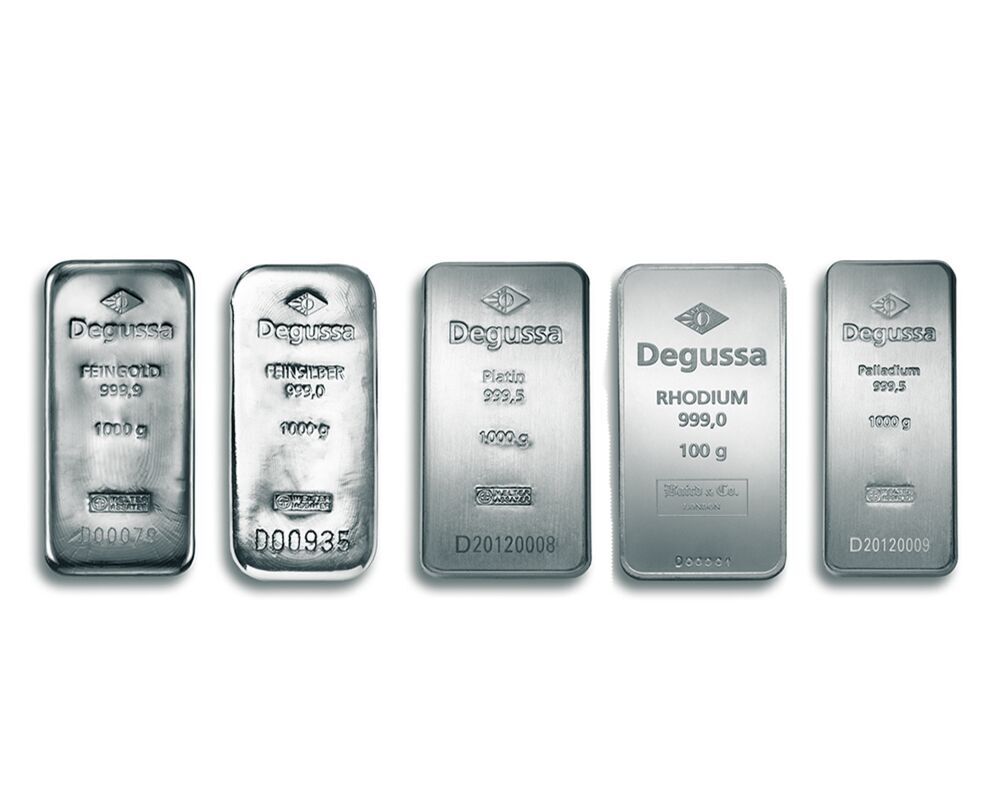
Find the precious metal that suits you best.
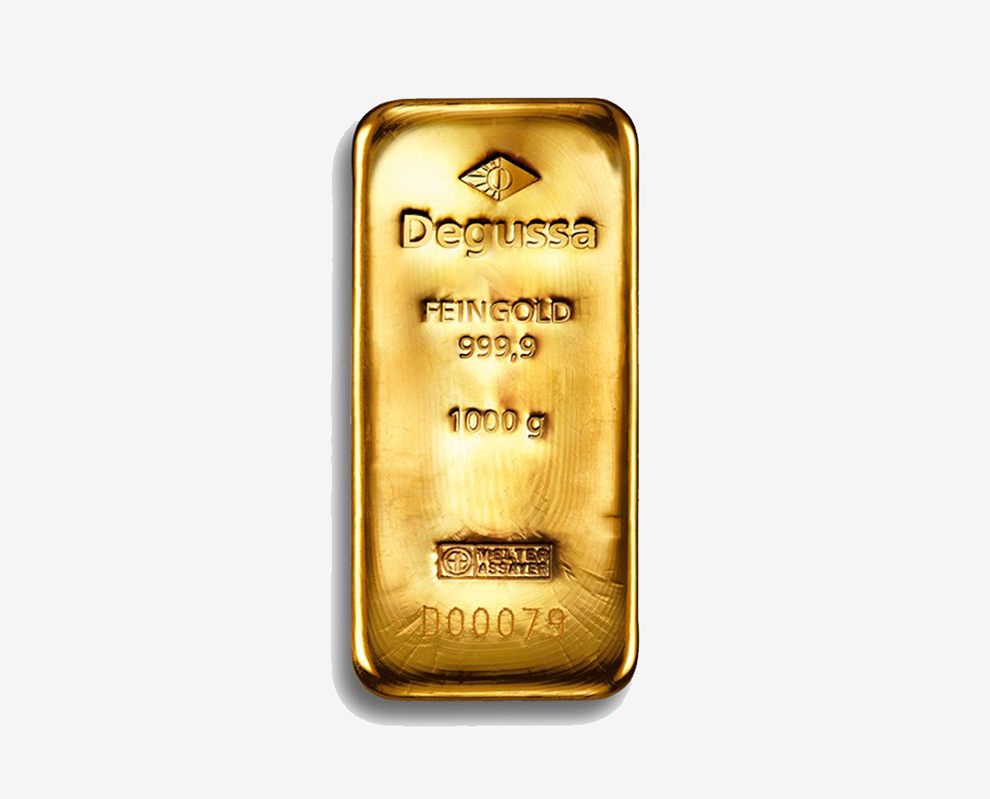
Play it safe – with gold: Gold is the ultimate form of stable value investment. For over 4,500 years, gold has been revered and used as a valuable means of trade. Its irreplaceable role in the jewellery market, its widespread use in modern technology and its long history as a reliable hedge against inflation make gold the safest asset to rely on.
Around 170,000 tonnes of gold have been mined by people worldwide over the past 5,000 years. Only a small percentage of this has been lost over time.
What initially appears to be a large quantity is, in fact, a surprisingly small amount: it would easily fit beneath the Brandenburg Gate. However, such a cube of gold beneath Berlin’s landmark would not only be heavy, but also extremely valuable – the total value of global gold reserves amounts to around €6.6 trillion. Broken down per person on Earth, this equates to less than 25 grams, worth approximately €950.
And this gold is not freely available: the majority – around two-thirds – is tied up in jewellery, and roughly 30,000 tonnes are stored in the vaults of central banks. In recent years, these institutions have reversed their behaviour by 180 degrees: after selling parts of their reserves over the past 40 years following the end of the dollar’s gold peg, central banks have once again become net buyers of gold since 2010 – a trend that appears to be accelerating.
In addition to central banks, other groups have also rediscovered gold as an investment: in times of seemingly unlimited government debt in many Western industrialised countries, coupled with virtually unrestricted money creation by central banks and recurring currency and financial crises, both private and institutional investors are increasingly turning to gold. Since 2001 – and especially since the financial crisis of 2008 – physical gold has increasingly been viewed as an insurance policy within investment portfolios.
The rising demand from various sources, combined with only moderate increases in new production (approximately 2,650 tonnes per year), has led to significant price gains in recent years. In September 2011, the price reached a temporary all-time high of $1,920 per ounce before declining slightly again.
It benefits from a dual role that gold does not have: it is both an investment metal and a key industrial material. A substantial portion of its annual production – around 21,000 tonnes – is required for industrial purposes. The electrical, electronics and jewellery industries are the largest consumers. In recent years, the photovoltaic industry has also emerged as a major user, consuming up to 2,000 tonnes of silver in 2011.
This strong demand has driven significant gains in the silver price in recent years, bringing it close to its previous all-time high from 1980.
And this gold is not freely available: the majority – around two-thirds – is tied up in jewellery, and roughly 30,000 tonnes are stored in the vaults of central banks. In recent years, these institutions have reversed their behaviour by 180 degrees: after selling parts of their reserves over the past 40 years following the end of the dollar’s gold peg, central banks have once again become net buyers of gold since 2010 – a trend that appears to be accelerating.
In addition to central banks, other groups have also rediscovered gold as an investment: in times of seemingly unlimited government debt in many Western industrialised countries, coupled with virtually unrestricted money creation by central banks and recurring currency and financial crises, both private and institutional investors are increasingly turning to gold. Since 2001 – and especially since the financial crisis of 2008 – physical gold has increasingly been viewed as an insurance policy within investment portfolios.
The rising demand from various sources, combined with only moderate increases in new production (approximately 2,650 tonnes per year), has led to significant price gains in recent years. In September 2011, the price reached a temporary all-time high of $1,920 per ounce before declining slightly again.
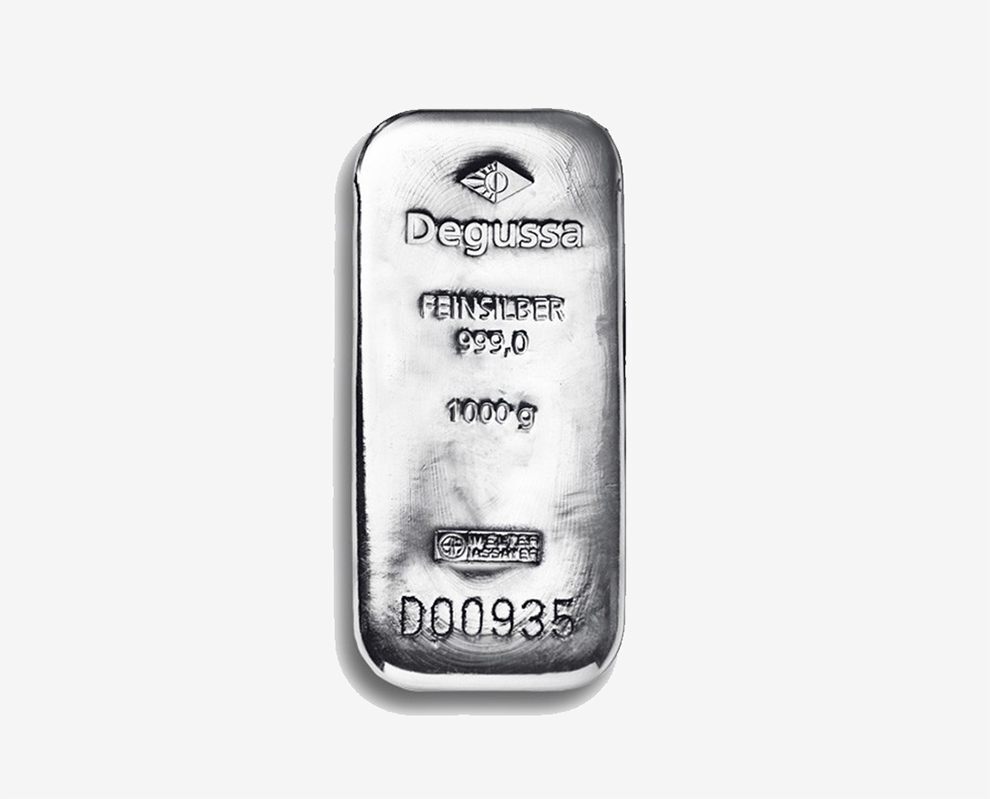
Stay ahead of the curve – with silver:
Silver has two faces. On the one hand, it is the most volatile of all precious metals and can generate daily profits for attentive traders. On the other hand – like its “big brother” gold – it serves as a reliable hedge against inflation. Its diverse use as an industrial raw material for essential devices such as smartphones and computers ensures the long-term stability of its value. The white metal has also risen significantly in value in recent years.It benefits from a dual role that gold does not have: it is both an investment metal and a key industrial material. A substantial portion of its annual production – around 21,000 tonnes – is required for industrial purposes. The electrical, electronics and jewellery industries are the largest consumers. In recent years, the photovoltaic industry has also emerged as a major user, consuming up to 2,000 tonnes of silver in 2011.
This strong demand has driven significant gains in the silver price in recent years, bringing it close to its previous all-time high from 1980.
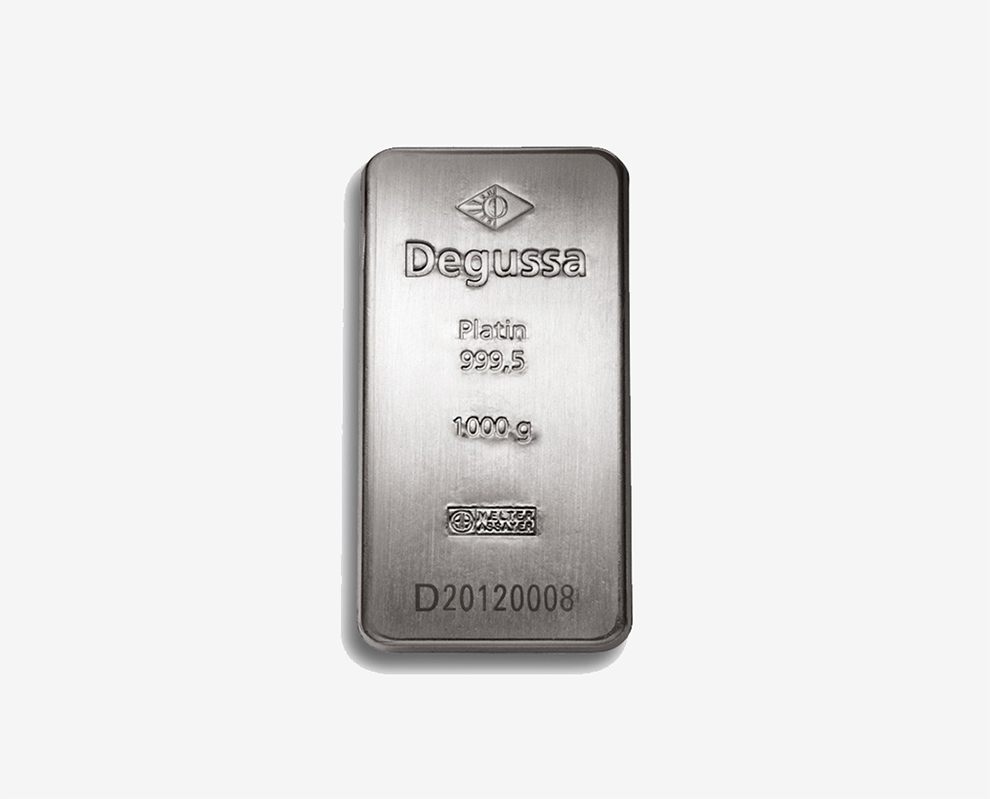
Den Überblick haben – mit Platin:
Platin ist das Industriemetall schlechthin. Und somit ist es das ideale Edelmetall für Menschen, die über konjunkturelle Weitsicht verfügen. Denn mit keinem anderen Edelmetall kann man so punktgenau investieren wie mit Platin. Und auch um den langfristigen Wertbestand muss man sich keine Gedanken machen: Platin ist ein elementarer Bestandteil der Autoindustrie und somit an einen der stärksten Industriezweige überhaupt gekoppelt.Die beiden wichtigsten Platinmetalle haben in den letzten Jahren ebenfalls erhebliche Kurssteigerungen zu verzeichnen gehabt, wobei die Notierungen – anders als beim Gold – innerhalb dieses Trends massiven Schwankungen unterlegen waren. Der Grund dafür ist, dass die Metalle sehr viel mehr als Gold und auch als Silber von der industriellen Nachfrage und damit von der Konjunkturentwicklung abhängig sind. Pro Jahr werden von beiden Metallen zwischen 200 und 250 Tonnen neu gefördert. Während Platin zu 60 Prozent aus Südafrika und erst an zweiter Stelle aus Russland kommt, ist es beim Palladium umgekehrt. Die Besonderheit beim Palladium ist, dass das silbrig-weisse Metall nur ein Beiprodukt bei der Ausbringung anderer Metalle ist – in Russland bei der Nickelproduktion, in Südafrika kommt das Palladium zusammen mit dem primär geförderten Platin an die Erdoberfläche.
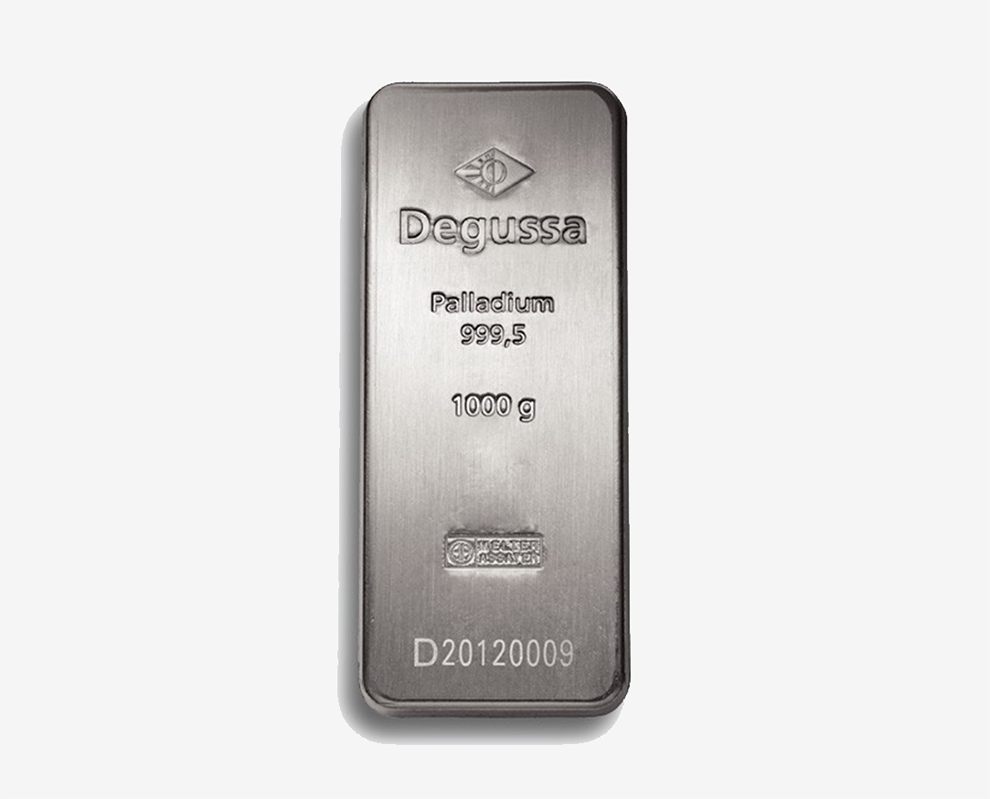
Langfristig denken – mit Palladium:
Palladium ist als selten gehandeltes Edelmetall besonders für langfristige Anleger interessant, da sein Preis so gut wie gar nicht von Spekulanten beeinflusst wird. Ausserdem ist Palladium ein wichtiger Rohstoff zukünftiger Technologien wie der Nanotechnologie und daher als kleiner Geheimtipp langfristiger Investoren zu verstehen.Die beiden wichtigsten Platinmetalle haben in den letzten Jahren ebenfalls erhebliche Kurssteigerungen zu verzeichnen gehabt, wobei die Notierungen – anders als beim Gold – innerhalb dieses Trends massiven Schwankungen unterlegen waren. Der Grund dafür ist, dass die Metalle sehr viel mehr als Gold und auch als Silber von der industriellen Nachfrage und damit von der Konjunkturentwicklung abhängig sind. Pro Jahr werden von beiden Metallen zwischen 200 und 250 Tonnen neu gefördert. Während Platin zu 60 Prozent aus Südafrika und erst an zweiter Stelle aus Russland kommt, ist es beim Palladium umgekehrt. Die Besonderheit beim Palladium ist, dass das silbrig-weisse Metall nur ein Beiprodukt bei der Ausbringung anderer Metalle ist – in Russland bei der Nickelproduktion, in Südafrika kommt das Palladium zusammen mit dem primär geförderten Platin an die Erdoberfläche.
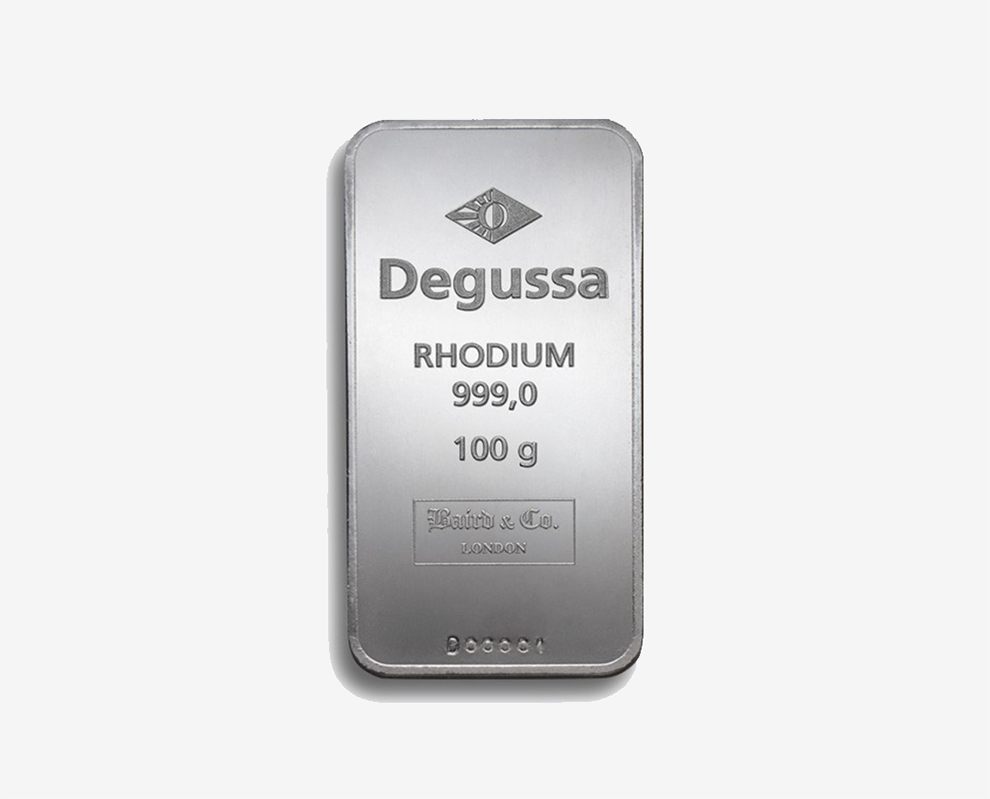
Schnell Grosses erreichen – mit Rhodium
Rhodium wird wohl immer der Liebling der Spekulanten sein. Kein anderes Edelmetall bietet in einer solchen Regelmässigkeit so viele Gelegenheiten, durch Kursänderungen Gewinne zu erzielen. Und als essenzieller Rohstoff in der Chemie- und Autoindustrie ist Rhodium trotzdem auch als spekulatives Edelmetall langfristig abgesichert.Die sog. „kleinen“ Platinmetalle spielen als Anlagemetalle bisher kaum eine Rolle. Dies liegt vor allem an der mangelnden Verfügbarkeit von Investmentprodukten, teils aber auch an den starken und manchmal unberechenbaren Preisschwankungen. Dazu gibt es – anders als bei den vier Hauptedelmetallen – keinen hinreichenden Handel auf den internationalen Finanzmärkten, der für eine ausreichende Liquidität sorgen könnte. Die drei Metalle werden als Beiprodukte bei der Produktion von Platin ausgebracht, fast 100 Prozent der Förderung kommen aus Südafrika. Die drei Platinmetalle sind äusserst selten, die Produktion liegt bei ca. 25 Tonnen im Fall von Rhodium und Ruthenium, von Iridium kommen jedes Jahr sogar nur vier Tonnen auf den Weltmarkt. Verglichen mit den vielfältigen industriellen Anwendungen für die Metalle ist dies der sprichwörtliche Tropfen auf den heissen Stein.