 Germany
 Switzerland
 Spain
 United Kingdom
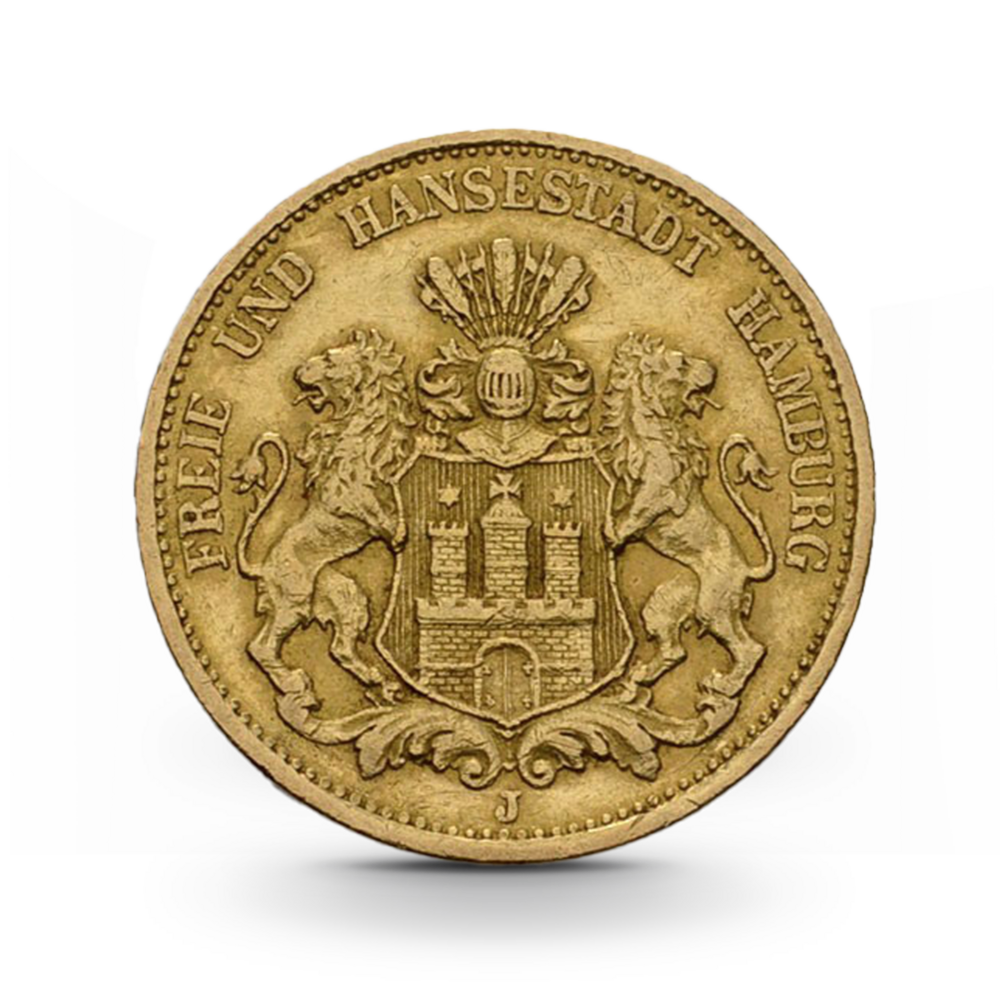
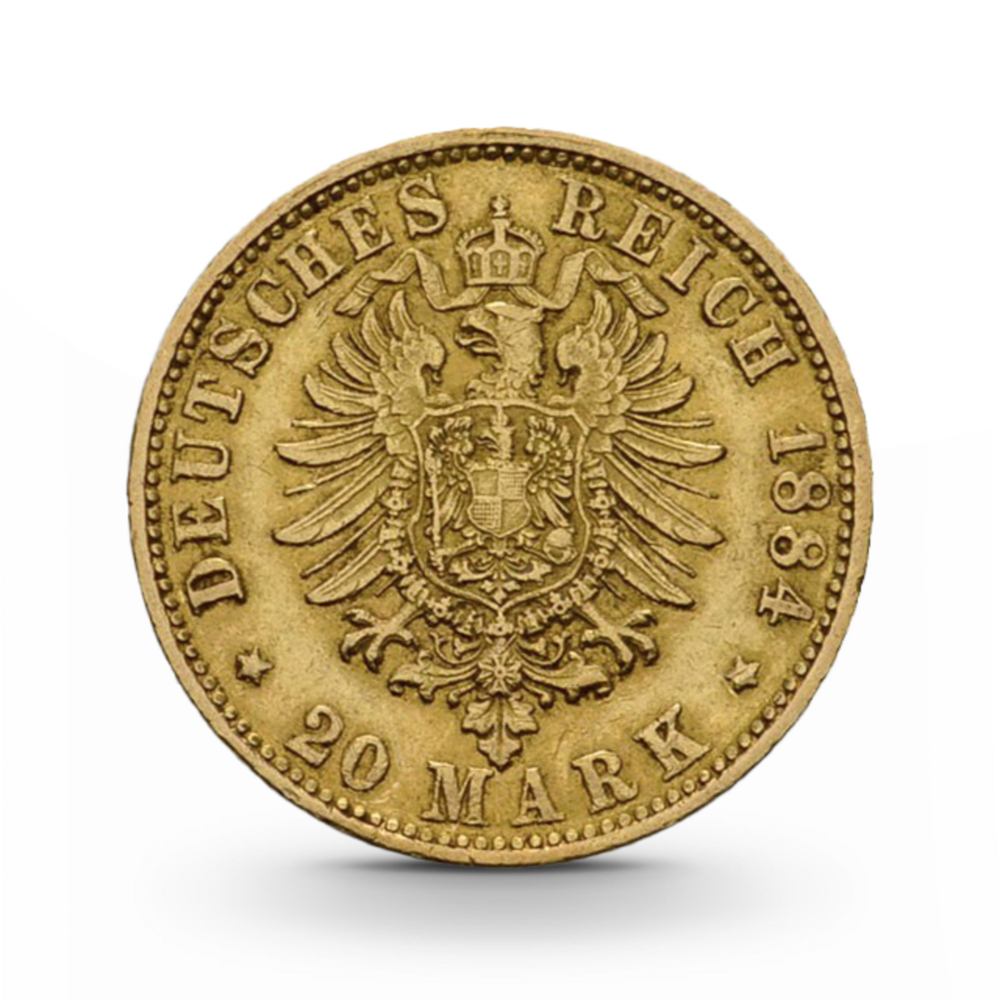
Hamburg Free and Hanseatic City 20 Mark City Coat of Arms Imperial Gold
- Details
- Product description
| Thickness | 1.44 mm |
|---|---|
| Diameter | 22.50 mm |
| Net weight (g) | 7.16 |
| Purity | 900.00 |
| Metal Type | Gold |
| Mint Year | 1875-1913 |
| Coin Series | German Empire |
| Type | Coin |
German Empire, Hamburg, 20 Mark City Coat of Arms
The German Empire was founded on January 18, 1871, with the proclamation of the Prussian King Wilhelm I as German Emperor in Versailles. As part of the empire's founding, a currency reform was carried out. The taler was replaced by the mark as a means of payment. Each ruler of the 25 constituent states had the right to mint their own gold mark.
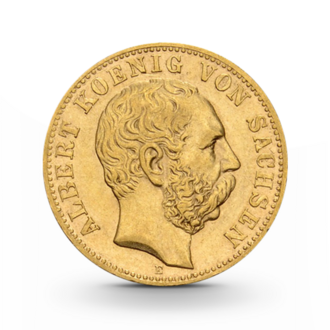
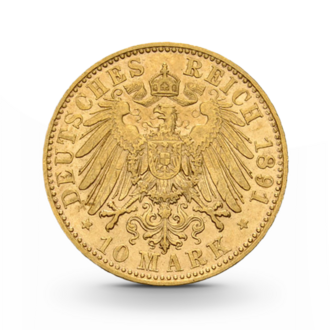
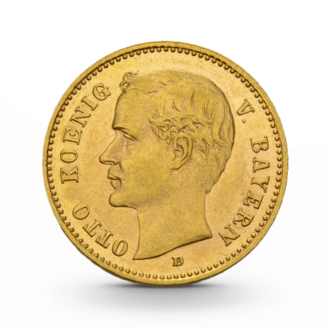
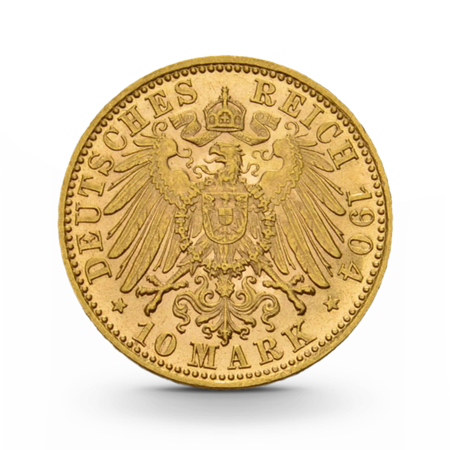
The obverse side shows the respective ruler. On the reverse side, the state coat of arms, denomination, and year of minting are displayed.
Condition: very fine-extremely fine (J. 210 or 212)
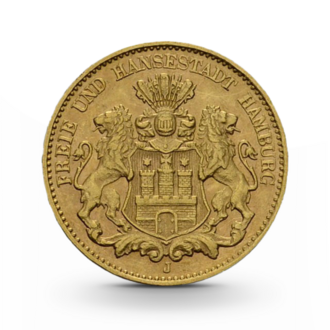
Obverse: FREE AND HANSEATIC CITY OF HAMBURG | J | Coat of arms without shield holders
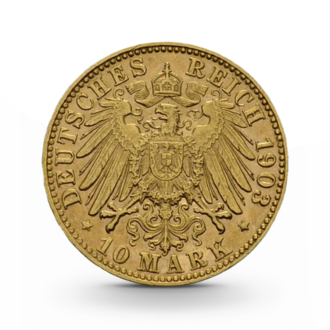
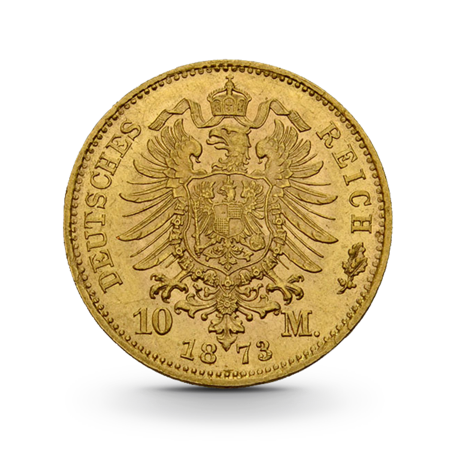
Reverse: GERMAN EMPIRE [Year of minting] ∙ Imperial Eagle | * 20 MARK *
Edge: GOD WITH US
Design and die: Emil Weigand, Berlin
The Free and Hanseatic City of Hamburg joined the German Confederation in 1815. At that time, the development of maritime traffic with South America and Central America played an essential role. In 1867, the city-state joined the North German Confederation and in 1888 the German Customs Union. At that time, Hamburg received a free port and developed into Germany's most important and largest seaport by the time of World War I (1914/18). The imperial currency was introduced here in 1873.