 Germany
 Switzerland
 Spain
 United Kingdom
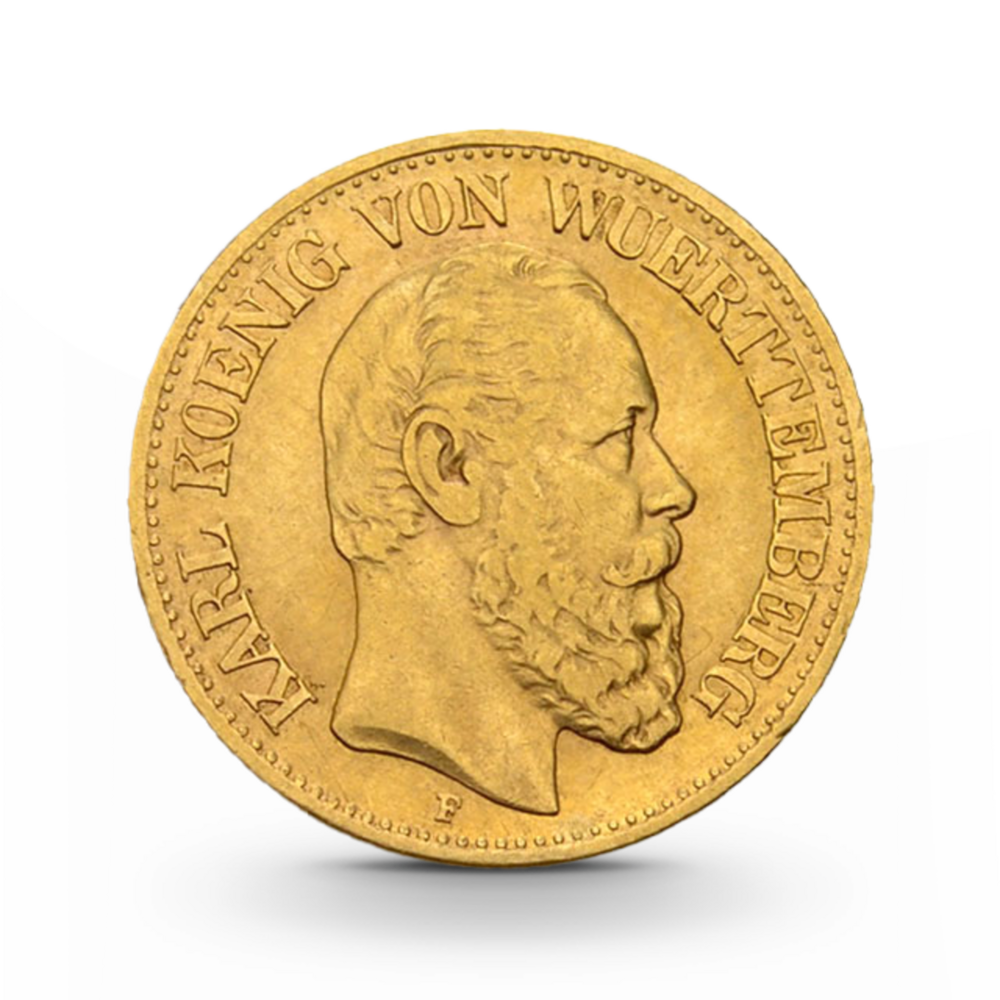
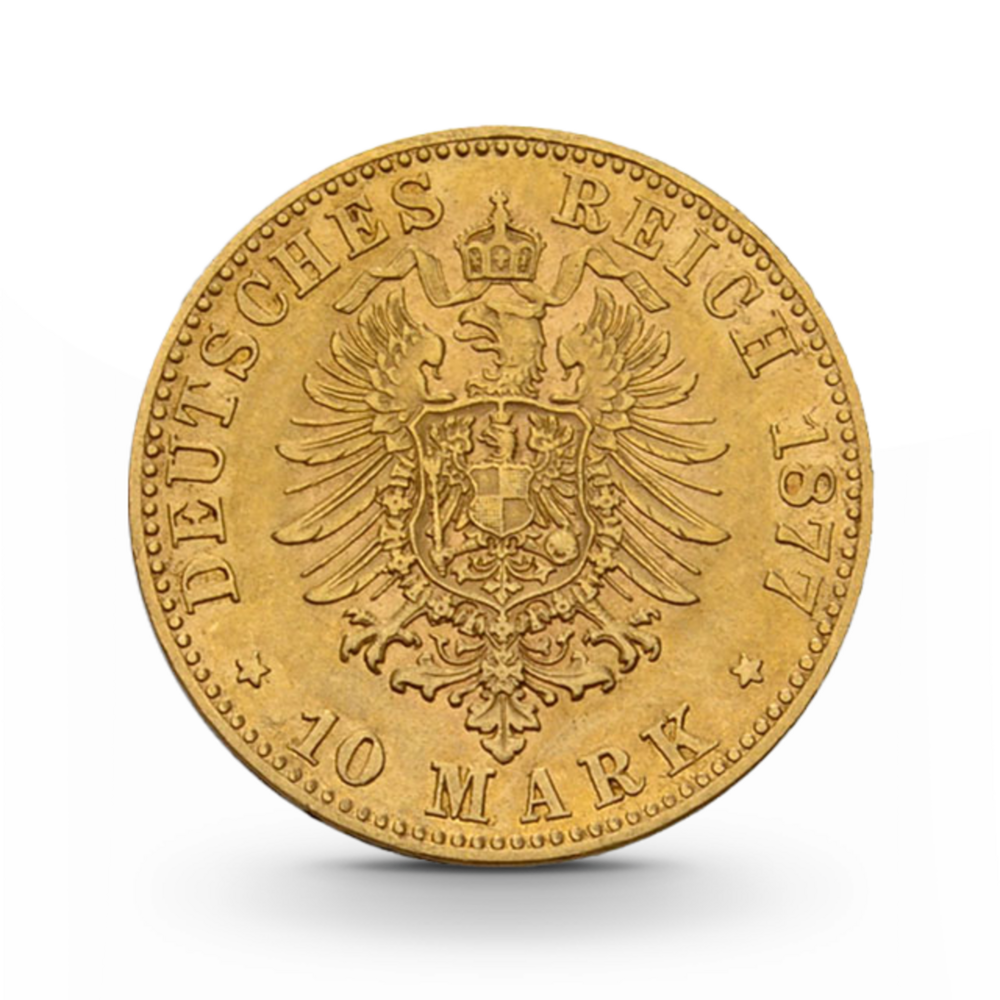
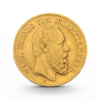
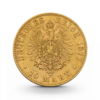
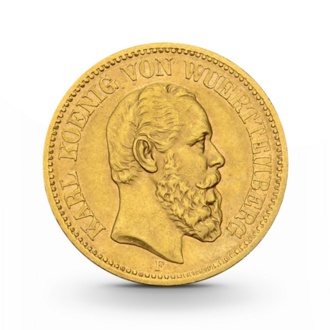
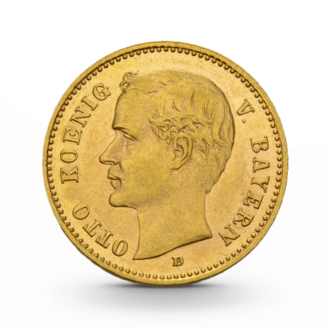
Württemberg 10 Mark Karl Imperial Gold
- Details
- Product description
| Thickness | 0.90 mm |
|---|---|
| Diameter | 19.50 mm |
| Net weight (g) | 3.58 |
| Purity | 900.00 |
| Metal Type | Gold |
| Mint Year | 1872-1891 |
| Coin Series | German Empire |
| Type | Coin |
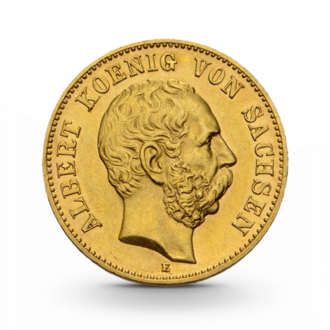
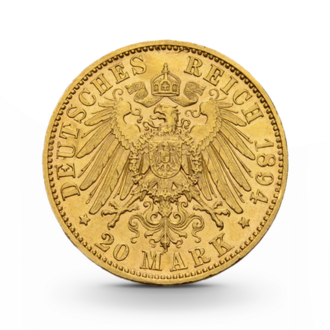
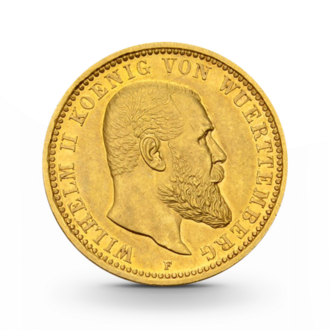
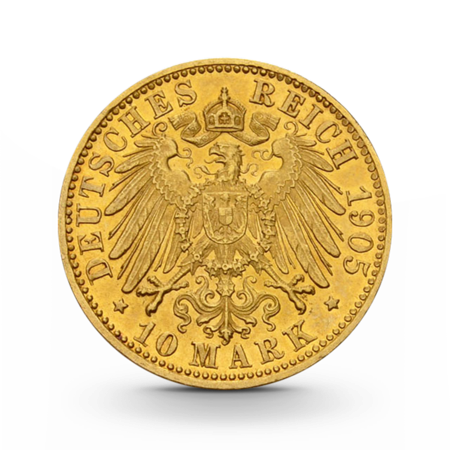
German Empire, Württemberg, 10 Mark Karl
The German Empire was founded on January 18, 1871, with the proclamation of the Prussian King Wilhelm I as German Emperor in Versailles. Following the empire's establishment, a currency reform was implemented. During this reform, the thaler was replaced by the mark as the means of payment. Each ruler of the 25 constituent states had the right to mint their own gold mark.
10 Mark Gold, J. 292
Condition: ss-vz
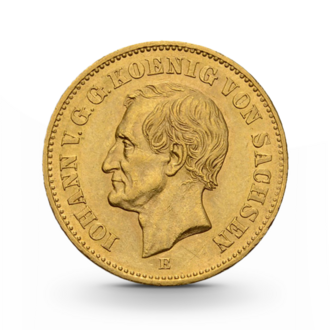
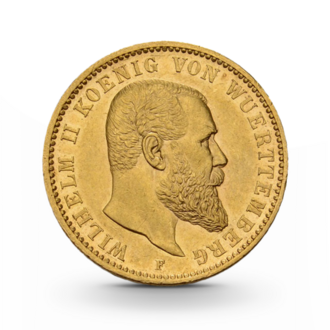
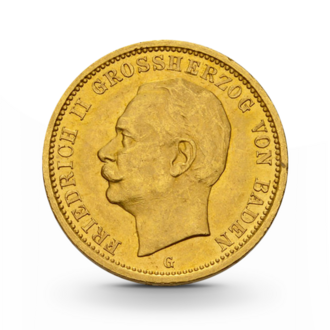
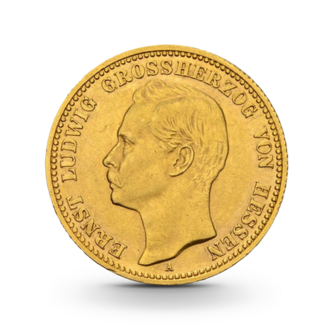
Obverse: KARL KOENIG VON WUERTTEMBERG ∙ Head facing right
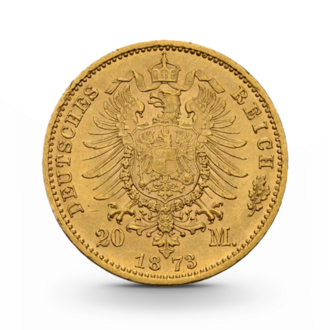
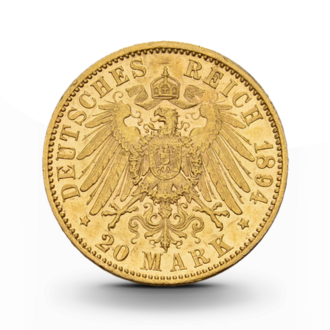
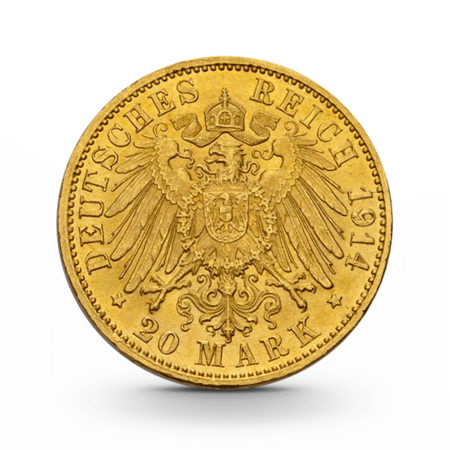
Reverse: DEUTSCHES REICH | Reichsadler * 10 MARK * Reichsadler.
Edge: Engraved arabesques
Design and die by Prof. Christian Schnitzspahn, Darmstadt
In 1806, Württemberg was elevated to a kingdom. By 1810, it acquired additional territories, partly through exchanges with Bavaria and Baden. The Vienna Congress confirmed the new territorial expansions. From 1815 to 1866, the kingdom was part of the German Confederation. After the Franco-Prussian War and the empire's establishment in 1870/71, it became part of the German Empire. The proclamation of the People's State of Württemberg followed the November Revolution of 1918. As the only son of King Wilhelm I of Württemberg, Karl ruled as the third King of Württemberg from 1864 to 1891.
Earlier, in July 1846, he married one of the daughters of Russian Tsar Nicholas I and Alexandra Fyodorovna. Under his reign, the Kingdom of Württemberg joined the German Empire in 1871. Although it faced restrictions on sovereignty, it gained greater security in domestic and foreign policy. Württemberg retained its own military administration. King Karl died on October 30, 1891, in the Old Castle of Stuttgart.
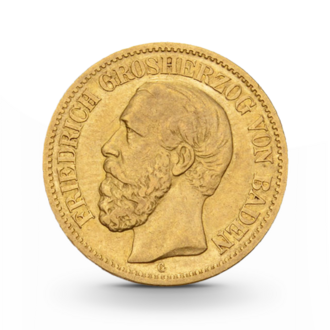
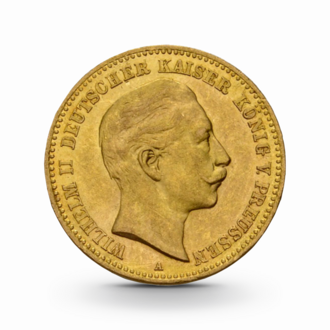
The images are representative of the coin type. We deliver years or motif variations depending on availability. There is no entitlement to the delivery of a specific year.