 Germany
 Switzerland
 Spain
 United Kingdom
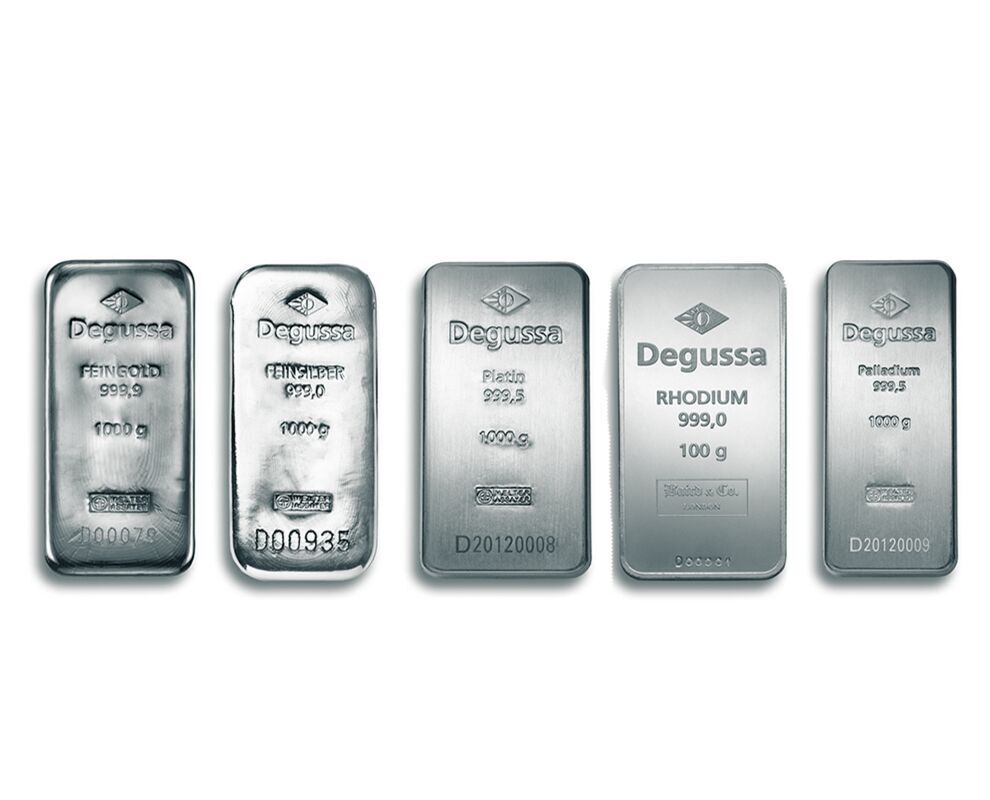
Find the precious metal that suits you best.
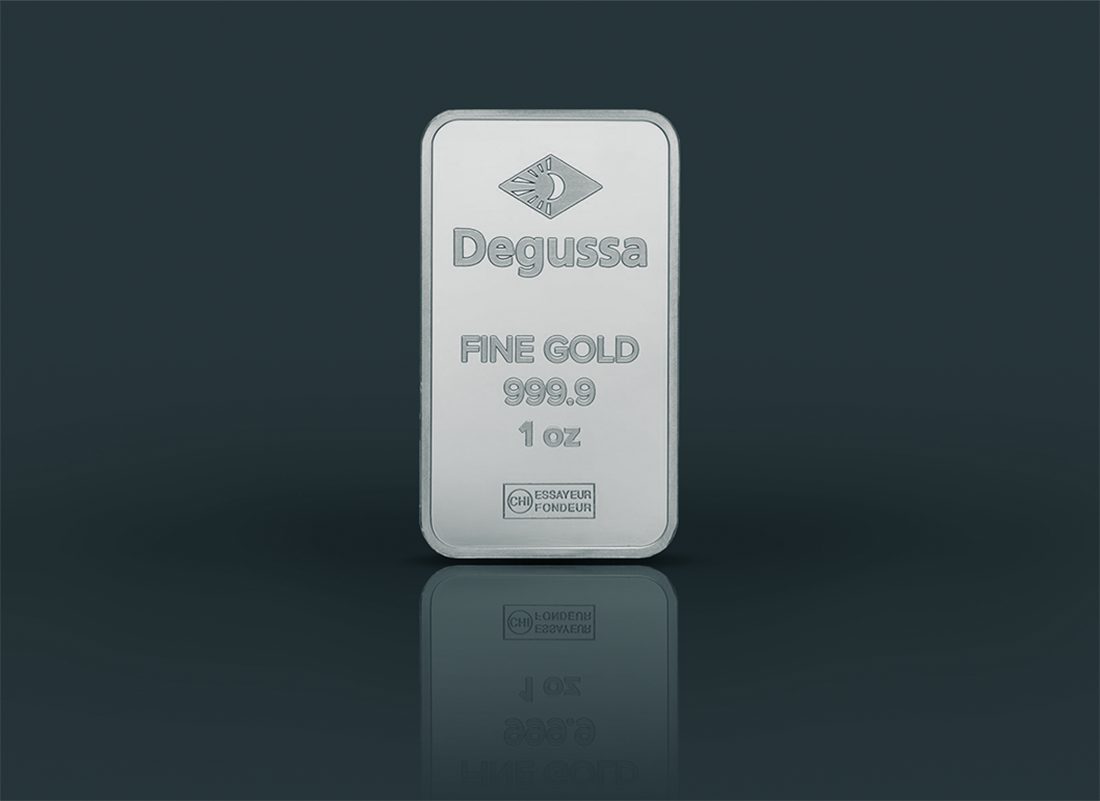
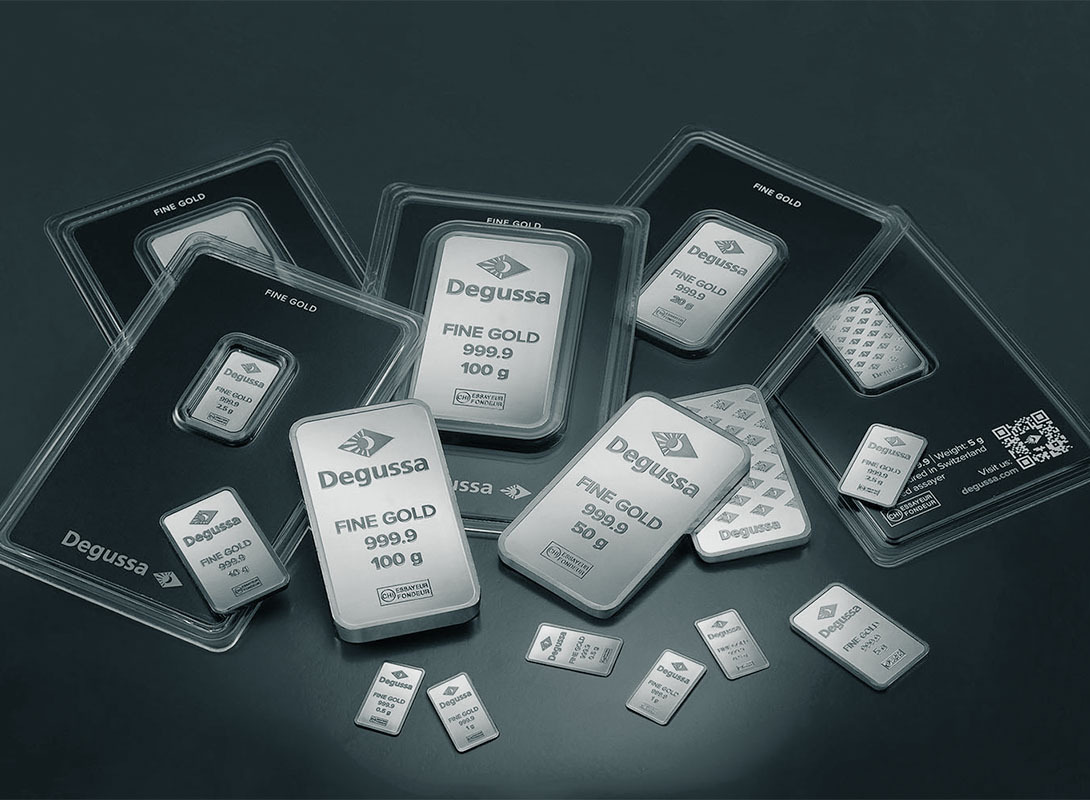
Playing it safe – with gold: gold is the stable investment in its purest form. For more than 4,500 years, gold has been revered and used as a valuable commodity. Its irreplaceable role in the jewellery market, its frequent use in modern technology and its long history as reliable protection against inflation make gold the safest asset you can rely on.
Over the past 5,000 years, almost 170,000 tonnes of gold have been mined worldwide. Only a few per cent of this has been lost over all those years.

What seems like a large number at first glance is actually a tiny amount: it would fit easily under the Brandenburg Gate. However, such a gold cube under the symbol of Berlin would not only be heavy, but also expensive: the total value of the world’s gold stocks amounts to no less than 6.6 trillion euros. Converted per head of the world’s population, however, this is less than 25 grams, worth 950 euros.
And this amount of gold is not freely available: the majority, around two thirds, is tied up in jewellery and some 30,000 tonnes lie in the vaults of central banks. These have turned their behaviour around 180 degrees in recent years: after many central banks sold parts of their reserves over the past 40 years following the decoupling of the dollar from gold, a countermovement has been evident for some years. Since 2010, central banks have once again been net buyers of gold, and this development currently even seems to be accelerating.
In addition to central banks, other groups have also rediscovered gold as an investment: in times of seemingly boundless government debt in many Western industrialised countries, of – figuratively speaking – almost unlimited money printing by central banks and of currency and financial crises that seem to occur ever more frequently, private and institutional investors are also increasingly asking for gold. Actually since 2001, but especially since the financial crisis of 2008, investors have increasingly regarded physical gold as an insurance policy for their portfolio.
Rising demand from various sides combined with only moderately rising new production (around 2,650 tonnes per year) led to significant increases in value in recent years. In September 2011, the price rose to a provisional record high of $1,920 per ounce before falling slightly again.
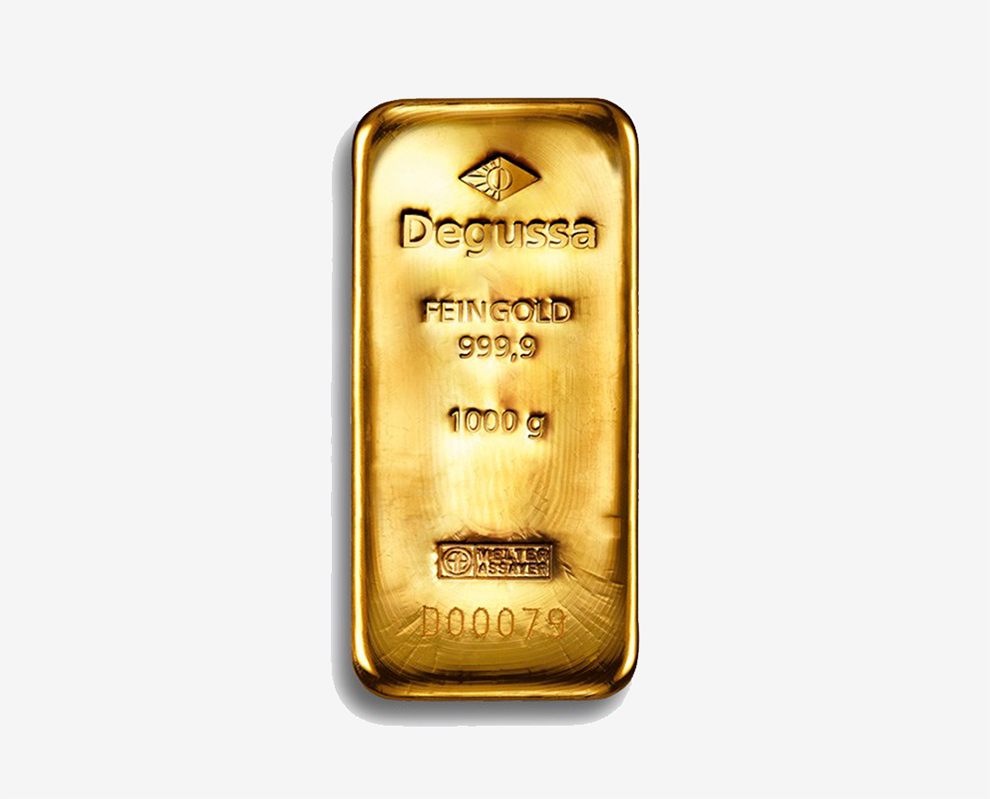
This brought the silver price considerable gains in recent years, and in 2011 it temporarily almost reached the record level of 1980 again.
And this amount of gold is not freely available: the majority, around two thirds, is tied up in jewellery and some 30,000 tonnes lie in the vaults of central banks. These have turned their behaviour around 180 degrees in recent years: after many central banks sold parts of their reserves over the past 40 years following the decoupling of the dollar from gold, a countermovement has been evident for some years. Since 2010, central banks have once again been net buyers of gold, and this development currently even seems to be accelerating.
In addition to central banks, other groups have also rediscovered gold as an investment: in times of seemingly boundless government debt in many Western industrialised countries, of – figuratively speaking – almost unlimited money printing by central banks and of currency and financial crises that seem to occur ever more frequently, private and institutional investors are also increasingly asking for gold. Actually since 2001, but especially since the financial crisis of 2008, investors have increasingly regarded physical gold as an insurance policy for their portfolio.
Rising demand from various sides combined with only moderately rising new production (around 2,650 tonnes per year) led to significant increases in value in recent years. In September 2011, the price rose to a provisional record high of $1,920 per ounce before falling slightly again.
Moving with the times – with silver:
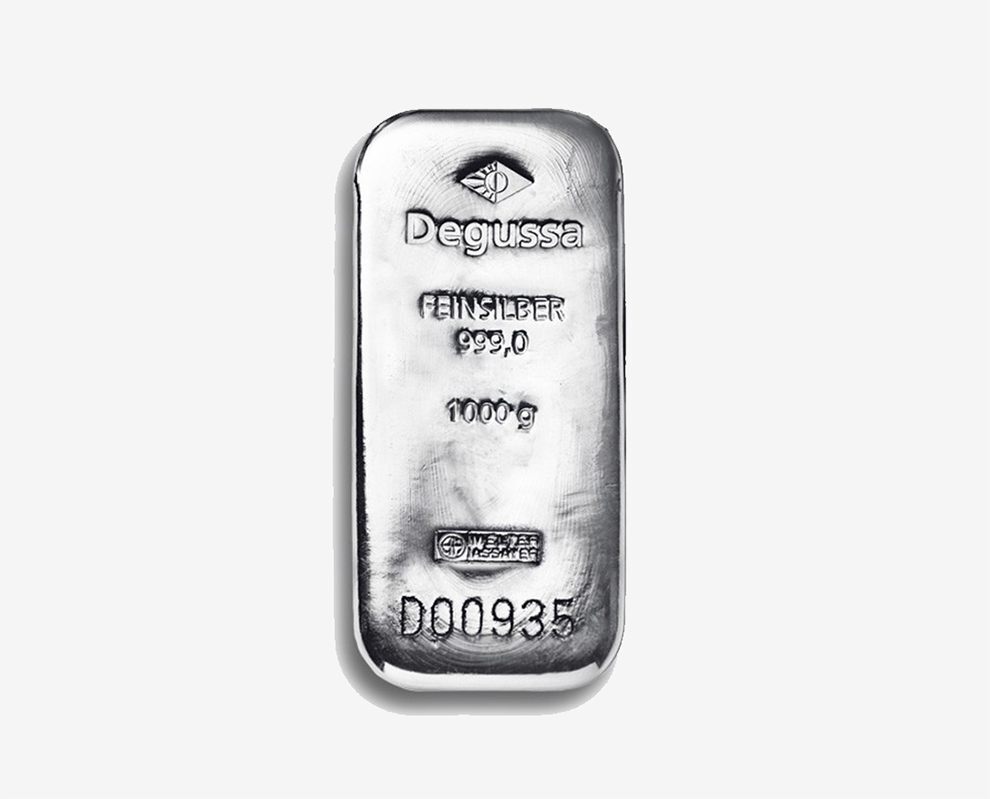
Silver has two faces. On the one hand, it is the most volatile of all precious metals and can earn attentive traders a profit day after day. On the other hand – like its “big brother” gold – it is reliable protection in inflationary times: its versatile use as an industrial raw material for indispensable devices such as mobile phones and computers guarantees the stability of silver’s value. The white metal has also risen significantly in value in recent years. It benefits from a dual role that gold does not have: on the one hand, it is seen as an investment metal; on the other, a considerable part of annual new production, which is around 21,000 tonnes, is needed for industrial applications. The electrical engineering, electronics and jewellery industries are the largest users. In recent years, the solar energy industry has also joined them and will use up to 2,000 tonnes of silver in 2011.This brought the silver price considerable gains in recent years, and in 2011 it temporarily almost reached the record level of 1980 again.
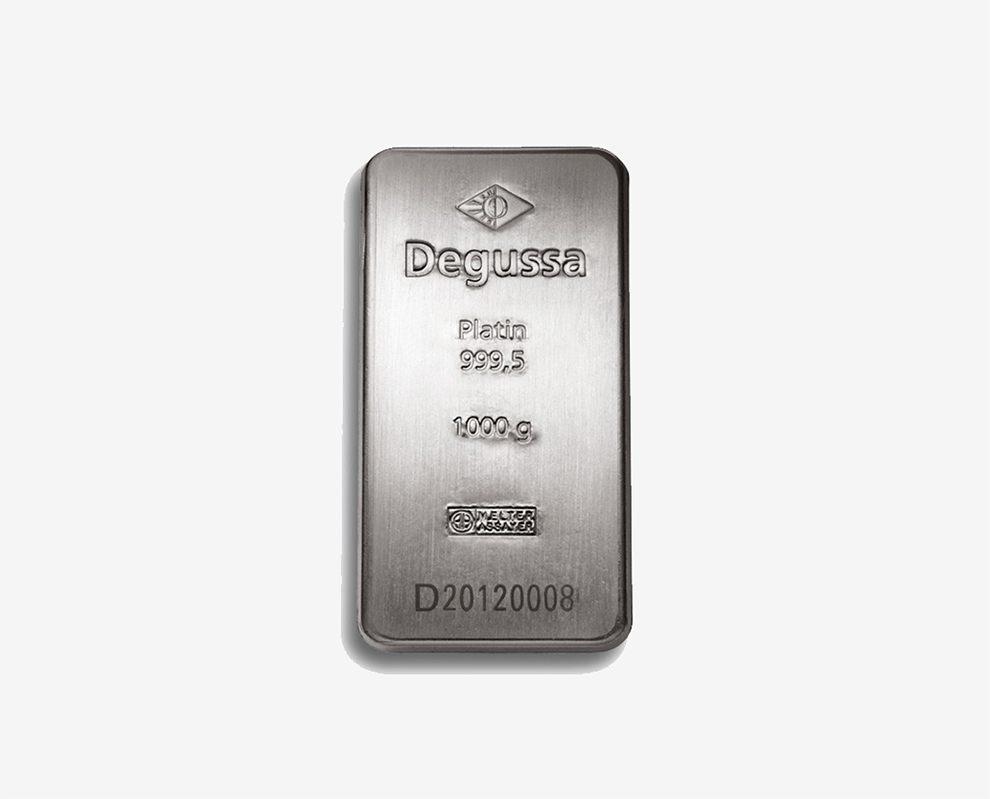
Keeping the overview – with platinum:
Platinum is the industrial metal par excellence. This makes it the ideal precious metal for people with an eye on the economic outlook. With no other precious metal can you invest as precisely as with platinum. And you need not worry about its long-term stability of value either: platinum is an essential component of the automotive industry and is therefore linked to one of the strongest industrial sectors there is.Both of the most important platinum metals have also shown considerable price increases in recent years, although, unlike gold, prices have been subject to strong fluctuations within this trend. This is because these metals are much more dependent than gold and silver on industrial demand and thus on the economy. Between 200 and 250 tonnes of both metals together are newly mined each year. While 60 per cent of platinum comes from South Africa and only in second place from Russia, the reverse is true for palladium. What is special about palladium is that the silvery-white metal is merely a by-product of the extraction of other metals – in Russia in nickel production, while in South Africa palladium comes to the surface together with the primarily mined platinum.
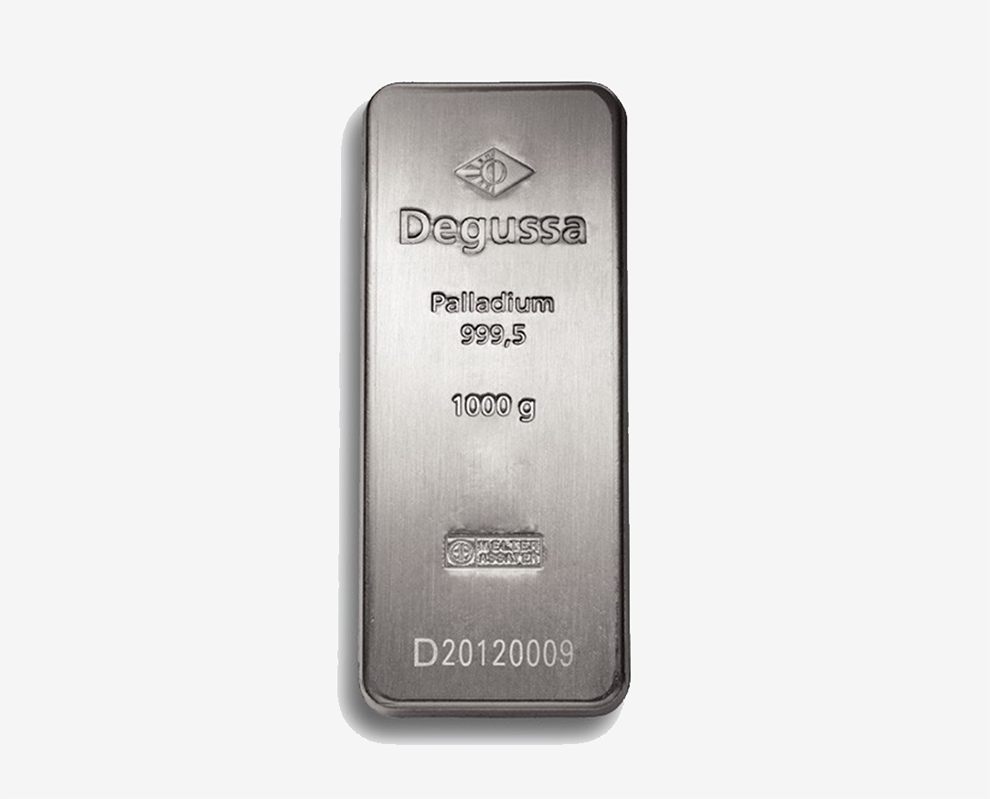
Thinking long term – with palladium:
As a thinly traded precious metal, palladium is particularly interesting for long-term investors, as its price is hardly influenced by speculators. In addition, palladium is an important raw material for future technologies such as nanotechnology and is therefore a little insider tip for long-term investors.Both of the most important platinum metals have also shown considerable price increases in recent years, although, unlike gold, prices have been subject to strong fluctuations within this trend. This is because these metals are much more dependent than gold and silver on industrial demand and thus on the economy. Between 200 and 250 tonnes of both metals together are newly mined each year. While 60 per cent of platinum comes from South Africa and only in second place from Russia, the reverse is true for palladium. What is special about palladium is that the silvery-white metal is merely a by-product of the extraction of other metals – in Russia in nickel production, while in South Africa palladium comes to the surface together with the primarily mined platinum.
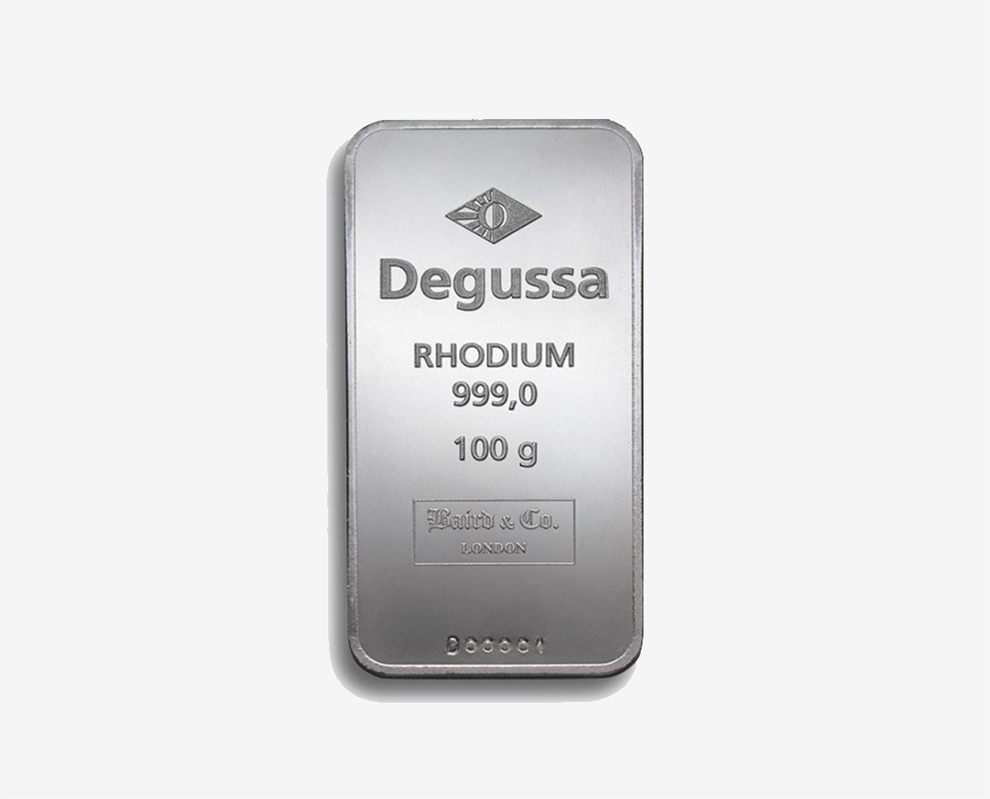
Quick big results – with rhodium
Rhodium will probably always remain the darling of speculators. No other precious metal regularly offers so many opportunities to profit from price changes. And as an essential raw material in chemistry and the automotive industry, rhodium is also anchored in the long term despite its speculative character.The so-called “minor” platinum metals have so far played hardly any role as investment metals. This is mainly due to the lack of investment products, and partly also to the strong and sometimes unpredictable price fluctuations. In addition, unlike the four most important precious metals, there is no adequate trading on the international financial markets that could ensure sufficient liquidity. The three metals are extracted as by-products of platinum production; almost 100 per cent of production comes from South Africa. The three platinum metals are extremely rare: production amounts to around 25 tonnes for rhodium and ruthenium, and only four tonnes of iridium come onto the world market each year. Compared with the many industrial applications of these metals, that is a drop in the ocean.